
Myths debunked Understanding the truth behind casino misconceptions
Understanding Randomness in Games
One of the most prevalent myths surrounding casinos is the belief that games like slots can be manipulated or predicted. Many players think that they can identify patterns or trends in outcomes, such as streaks of wins or losses, to inform their betting strategies. However, modern slot machines operate on random number generators (RNGs), ensuring that each spin is independent of the last. This means that no amount of observation can predict or influence the outcome, making it crucial for players to understand the nature of randomness in these games. When searching for the best political betting sites, this knowledge will help create a more informed betting experience.
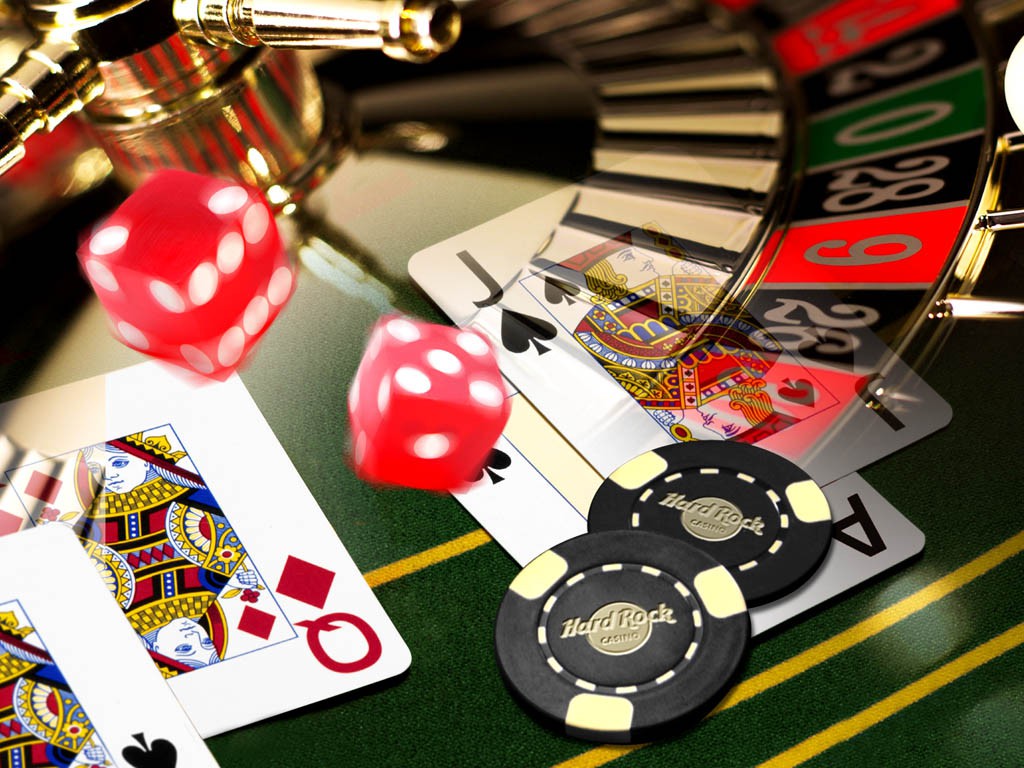
Furthermore, the misconception that players can “beat the house” by timing their play is misleading. The odds are inherently stacked in favor of the casino, ensuring that, over time, the house will always maintain its edge. While short-term wins are possible, relying on luck or perceived patterns is not a sustainable strategy. Understanding that each game’s outcome is random can help players set more realistic expectations and approach gaming with the right mindset.
This myth is compounded by stories of individuals claiming to have “beaten the system.” While some players may experience short-term success, it is essential to recognize that these are exceptions rather than the rule. By focusing on the excitement and entertainment value of games rather than the potential for guaranteed winnings, players can enjoy their experience without falling prey to misleading beliefs about randomness.
The Role of Skill in Casino Games
Another common misconception is that all casino games require a high level of skill for successful play. While it’s true that games like poker or blackjack do allow for strategic decision-making, many players mistakenly believe that skill can significantly overcome the house edge in purely chance-based games like roulette or slots. In reality, games that rely on luck primarily do not reward skill, meaning the outcomes are determined by chance rather than a player’s expertise.
For instance, in poker, a skilled player can leverage their knowledge of probabilities and psychology to outplay opponents. However, even the best players cannot consistently overcome the built-in house advantage in games like slots or keno. Understanding which games involve skill and which are purely chance-driven is vital for players who want to engage strategically and responsibly.
Moreover, many players underestimate the value of learning strategies in skill-based games. While skill can certainly improve one’s chances, it does not eliminate risk. Players should approach these games with realistic expectations, acknowledging that outcomes can still be unpredictable despite their experience. This understanding can encourage a more balanced view of casino gaming and reduce the likelihood of chasing losses or unrealistic dreams of becoming professional players.
Free Drinks and Casino Loyalty Programs
Many patrons believe that complimentary drinks and meals in casinos are a way for establishments to promote generosity, but there is a strategic element to this practice. Casinos use free beverages as a tactic to encourage players to stay longer and gamble more. While enjoying a free drink may enhance the gaming experience, it can also cloud judgment and lead to increased betting behavior. This common myth often overlooks the psychological influences at play in the casino environment.
Additionally, loyalty programs are frequently misunderstood. Many players assume that simply signing up for a rewards program will yield generous perks without substantial play. However, these programs are often tiered, rewarding those who spend more time and money at the establishment. While players can benefit from loyalty programs, it’s essential to realize that the rewards are typically designed to keep players engaged, and not every visitor will reap significant benefits without committing to regular play.
Understanding these dynamics can help players navigate the casino experience more wisely. By recognizing that free drinks and loyalty programs serve as incentives rather than gifts, individuals can maintain control over their gambling habits. This awareness can lead to more responsible behavior, allowing players to enjoy the perks without losing sight of their budget and gaming goals.
The Illusion of Winning Streaks
The belief in winning streaks is another misconception that often leads players astray. Many individuals think that after a series of losses, they are “due” for a win, believing in a false sense of balance in outcomes. This fallacy, known as the gambler’s fallacy, is rooted in the misunderstanding of probability and randomness. In reality, each game or spin stands alone, unaffected by previous outcomes, which means players must approach each session with fresh eyes rather than assumptions based on prior results.
This belief can lead to chasing losses, where players increase their bets in an attempt to recover their previous losses. The danger here is twofold: not only does this strategy increase the likelihood of losing even more, but it can also escalate emotional stress and result in impulsive decisions. Recognizing that luck is not influenced by past outcomes is crucial for maintaining a rational approach to gambling.
Furthermore, it’s essential for players to understand the emotional aspects that come into play during gaming. Winning streaks can create an adrenaline rush that reinforces the myth of predictability in outcomes. By cultivating a mindset rooted in understanding probability and separating emotions from decision-making, players can foster healthier gaming habits and minimize the risks associated with gambling.
Educating Yourself on Responsible Gaming
For those seeking to navigate the complex world of casinos, education is key to debunking myths and fostering a responsible gaming environment. Many players enter casinos without a clear understanding of the games, odds, or the psychology behind gambling. By taking the time to learn the rules, strategies, and odds associated with different games, individuals can enhance their gaming experience while also reducing misconceptions.
Moreover, understanding the importance of setting limits is crucial. Players should establish a budget before entering a casino, deciding in advance how much money they can afford to lose. This proactive approach helps players manage their bankroll effectively and discourages impulsive behavior that often leads to increased losses. Learning about responsible gaming practices can empower individuals to enjoy casinos as a form of entertainment, rather than as a means of financial gain.
Finally, fostering a mindset of enjoyment over profit is essential for anyone engaging in casino games. Recognizing that gambling is primarily a form of entertainment can reduce the pressure associated with winning and losing. By embracing a balanced perspective, players can appreciate the experience without succumbing to the common misconceptions that often cloud judgment and decision-making.